
E-MAIL:
WHATSAPP:
24 hours WhatsApp,E-mail quick online service
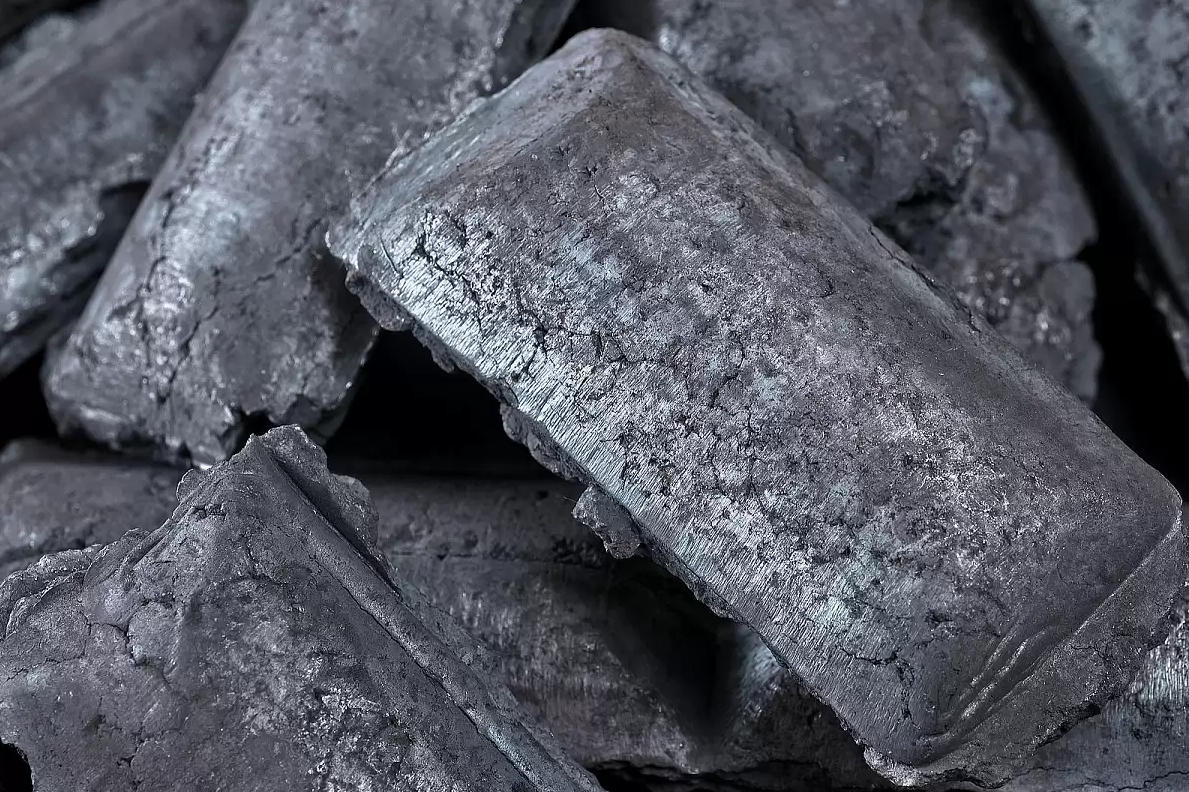
Pig iron trade from ports in north-western Russia is hampered by high freight rates and congested railway lines
In October, price trends in regional pig iron markets diverged: quotations declined in the Black Sea region, while prices in Brazil rose from $440–445/t to $455–460/t FOB.
Brazil
After a period of stagnation caused by the absence of new deals, an upward trend has emerged in the market, supported by a gradual recovery in buying interest from the US. In October, Brazilian pig iron quotations rose steadily from $440–445/t to $450/t FOB, and then to $455–460/t FOB.
The main driver of the increase is producers’ initiative to raise their offer levels. They intend to continue raising prices in the near future.
A sustained recovery in demand is being held back by more expensive charcoal and rising transport costs. In addition, the rainy season is approaching and the El Niño climate phenomenon is expected to have a strong impact on the weather, which is why most producers are considering suspending production.
In September, pig iron exports from Brazil increased by 39% compared to August (-29% m/m) – to 340,000 tonnes. The sharp increase was driven by higher shipments to the US and Europe, which grew by 12.4% and 31.6% respectively. The main export destinations in September were the US (152,000 tonnes at $463/t) and Europe (136,000 tonnes at $456/t), but buying activity in Europe is declining due to the weakening of the euro.
In January-August, pig iron exports from Brazil decreased by 4.6% y/y – to 2.8 million tonnes. Pig iron production in the country over the same period amounted to 19 million tonnes (-0.5% y/y).
Black Sea region
The market is showing high sales activity amid falling FOB export prices. In mid-October, Russian sellers noticeably stepped up negotiations and agreed significant volumes of pig iron supplies to Turkey, despite the negative price trend. In order to remain competitive in the key Turkish market amid increased logistics costs, sellers are forced to make price concessions. Sellers’ offers reach $425–435/t, while actual deals are concluded in the range of $405–410/t, with buyers expecting a decrease to $395–400/t FOB.
Additional pressure on exporters comes from low price targets of Turkish buyers and the strengthening of the rouble, which increases exporters’ costs in dollar terms and reduces their margins.
Exporters’ sentiment was shaped by the following key factors:
Redirection of logistics flows. Due to disruptions, cargo blockages and high penalties in Black Sea ports, Russian exporters are reorienting supplies to Baltic ports (Ust-Luga, St. Petersburg) and to the northern deep-water port of Murmansk, which is capable of handling large Capesize vessels.
Logistics costs and freight. Railway stations in the Baltic are congested, and freight rates remain critically high ($80–90/t from Novorossiysk and $57–78/t from Baltic ports to Turkey), which reduces the competitiveness of the product.
Pressure from the scrap market. Lower prices for imported scrap in Turkey (down to $388/t CFR) make basic grades of pig iron less attractive to buyers.
The Turkish pig iron market remains extremely volatile. According to the Turkish Statistical Institute (TUIK), in September pig iron imports to Turkey decreased by 80% m/m (after a 47% m/m decline in August) – to 33,000 tonnes. This is primarily due to a sharp drop in supplies from Russia. However, in September Russia remained the key supplier – 29,000 tonnes (-84% y/y) at an average price of $420/t.
China
According to SteelOrbis, domestic pig iron prices in China (including 13% VAT) remained virtually unchanged in October at $438/t.
Global pig iron production in January-September 2026 decreased by 2.2% compared to the same period in 2025 – to 1.02 billion tonnes. The largest pig iron producers during this period were China – 628 million tonnes (-3% y/y), India – 119 million tonnes (+3.7% y/y) and Japan – 44 million tonnes (-0.2% y/y).
Related Posts
- ▶ Germany Proposes €125 Million for Green Steel in Railways
- ▶ Italian Steelmakers Suspend Production as Energy Costs Rise
- ▶ Brazilian Pig Iron Prices Rise 3% in October
- ▶ Nucor Raises Hot-Rolled Coil Prices by $15 to $1,270 per Short Ton
- ▶ CMC Poland Steel Shipments Rise 0.8% in June-August
- ▶ Turkey Scrap Prices Up $28/t: September Market Review
- ▶ US Steelmakers Urge Trump to Maintain Section 232 Tariffs
- ▶ EU Construction Output Falls 0.3% in July as Steel Demand Stays Weak
- ▶ Germany Steel Subsidy Cuts: €50M Annual Cost to Producers
- ▶ Kyrgyzstan has extended the ban on scrap exports for a further six months
Online Message


Leave A Message
If you are interested in our products and want to know more details, please leave a message here, we will reply you as soon as we can.