
E-MAIL:
WHATSAPP:
24 hours WhatsApp,E-mail quick online service
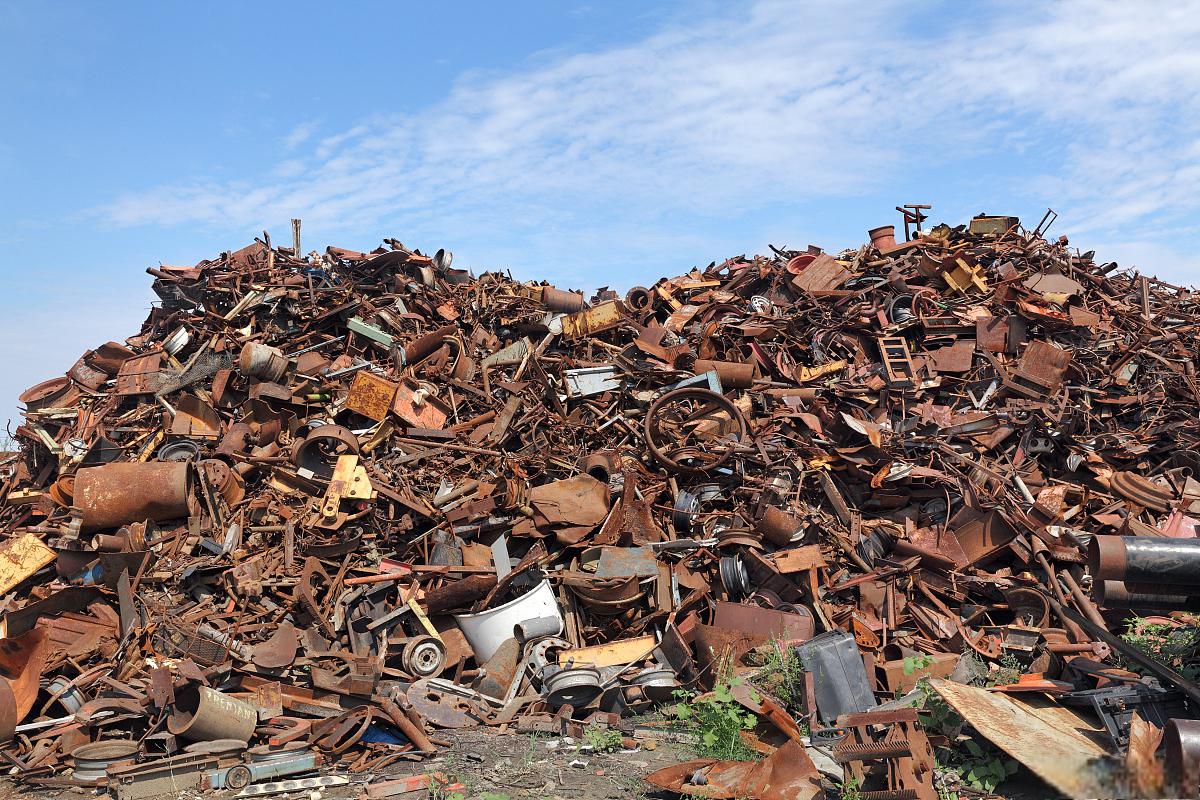
Mixed trends were observed in key markets
Trends in regional scrap metal markets in September were mixed. In Turkey, the US and Germany, prices rose following the summer slump. Last month, declines were recorded in the Chinese and Italian markets — by $9 and $13 per tonne respectively.
Turkey
In September, prices for imported scrap metal in Turkey rose sharply: from $380–382/t CFR (HMS 1&2 80:20) at the start of the month to a peak of $402–404/t CFR by the third ten-day period. Average quotations for HMS 1&2 80:20 scrap rose by $28 in September, to $400/t CFR in Turkey. However, by the end of the month, the market had levelled off: buyers actively resisted further price rises and concluded contracts for the supply of European scrap at $395/t CFR. Domestic scrap prices also rose in line with imports.
Market sentiment shifted during September: the initial frenzy and the mills’ eagerness to replenish stocks gave way to stagnation, caution and pressure from buyers. High raw material prices were offset by a fall in demand for finished steel and reinforcing bars, as well as by the need for quarterly interest payments and a liquidity shortfall amongst steelmakers.
The main factors included:
- Geopolitics and alternative raw materials. Disruptions to the supply of billets and pig iron from Russia and Ukraine have made scrap the only viable raw material for Turkish electric arc furnaces (EAFs).
- Logistics and energy. High diesel prices, rising oil prices (Brent above $105) and record freight rates ($50/t from the EU and $60/t from the US) have increased the cost of delivery. Shallow water levels in European rivers have further restricted the collection and delivery of scrap metal.
According to the Turkish Statistical Institute (TUIK), scrap imports into Turkey in August totalled 1.4 million tonnes (+0.5% year-on-year), which was lower than the July figure (1.66 million tonnes). Imports for January–August rose by 3.9% – to 12.8 million tonnes. The largest suppliers in August were the US (269,000 tonnes), the UK (224,000 tonnes) and Russia (127,000 tonnes).
In October, a moderate correction or stabilisation of import prices is expected in the region of $390–400/t CFR. The expected rise in domestic scrap prices in the US (by $10–20/t) and the EU (by €10–15/t) will support prices, although weakness in the Turkish rebar market and high energy costs will limit further growth.
The European Union
Markets in individual countries showed mixed trends. In Germany, the price of E3 scrap rose by $11 over the month, to $332/t on an Ex Works basis. The same grade in Italy fell by $13 in September, to $358/t.
Market sentiment remained cautious in September. The slow recovery in activity following the summer shutdowns and the rise in scrap exports were offset by weak demand for finished long products, high stock levels at mills and difficulties in passing on costs to end-users.
Pressure on the market was caused by high energy prices (in Italy, factories are forced to operate at night), drought and low water levels on the Rhine, as well as major disruptions to rail logistics (repairs to the Tarvisio corridor on the border with Austria and a systemic shortage of DB Cargo wagons).
In January–June, Germany increased its scrap exports by 1% year-on-year (to 4.05 million tonnes) and its imports by 5% year-on-year (to 2.24 million tonnes). At the same time, domestic consumption fell by 5% in 2025 (to 15.7 million tonnes). Italy remains a major importer of scrap, whilst its exports are negligible. A possible EU ban on scrap exports to certain Asian countries (India, Pakistan) could improve the availability of raw materials in Europe.
Scrap prices are forecast to rise by €10–20/t in October, driven by a recovery in demand in Turkey and global trends. However, steelmakers with high costs will resist these price rises, whilst the Italian steel association, Federacciai, has warned of the risk of production stoppages due to high energy costs.
USA
Throughout September, domestic scrap prices in the US remained largely stable (in Chicago, No. 1 scrap was priced at $450–455/t, HMS 1&2 at $330–345/t, and shredded scrap at $410–425/t). Average quotations for HMS 1&2 80:20 scrap in the US rose by $22 to $349/t on an East Coast delivery basis.
Over the course of the month, market sentiment shifted from neutral to moderately optimistic. The market recovered from the June–July slump, driven by rising domestic demand and steady purchases from Turkey.
The key factors were rising fuel and transport costs, a deterioration in railway operations (longer turnaround times for wagons), a seasonal decline in scrap collection ahead of winter, and a fall in pig iron consumption by steelworks (a switch to crushed scrap with a low copper content).
Between January and July, scrap exports from the US rose by 4.8% year-on-year (to 7.7 million tonnes). The main buyers of US scrap were Turkey (2.03 million tonnes) and Mexico (1.38 million tonnes). In July, exports totalled 1.07 million tonnes (+6.7% year-on-year). Scrap imports into the US over the same period rose by 8.7% year-on-year, to 3.15 million tonnes (the main supplier being Canada, with 2.15 million tonnes).
Domestic prices are expected to rise by $10–20/t in October, which will also support export prices.
China
In September, scrap metal prices on the Chinese domestic market remained relatively stable, with only minor fluctuations. At the start of the month, there was a slight increase against a backdrop of limited supply; prices then fell slightly before stabilising towards the end of the month and fluctuating within a narrow range. On average for September, scrap prices in China fell by $9 to $360/t on a CFR basis.
Market sentiment shifted from cautious optimism at the start of September to subdued pessimism by the end of the month. The main negative factor was delays in scrap metal payments due to strict restrictions on making payments. At the same time, factors holding back price falls included the economic benefits of using scrap compared to pig iron and the expected reduction in scrap supplies during the extended public holidays. Traders’ hopes for steelworks to restock on a large scale ahead of the public holidays marking China’s National Day (1–7 October) were not realised.
The main factors were limited supply and low volumes of scrap entering the market, liquidity problems and strict restrictions on payments, as well as the greater economic benefits of using scrap compared with pig iron.
In the short term, prices are expected to remain within a narrow range over the festive period, followed by a moderate rise later in the autumn as demand from factories recovers.
Related Posts
- ▶ Turkey Scrap Prices Up $28/t: September Market Review
- ▶ US Steelmakers Urge Trump to Maintain Section 232 Tariffs
- ▶ EU Construction Output Falls 0.3% in July as Steel Demand Stays Weak
- ▶ Germany Steel Subsidy Cuts: €50M Annual Cost to Producers
- ▶ Kyrgyzstan has extended the ban on scrap exports for a further six months
- ▶ World crude steel output down 0.3 percent in July 2026
- ▶ China Steel Structures Demand Shifts to Green Energy
- ▶ EU Anti-Dumping Duties on Cold-Rolled Steel Imports
- ▶ ArcelorMittal produced 27.6 million tonnes of steel in 1H2026
- ▶ European gas prices rose to levels above €60/MWh in July
Online Message


Leave A Message
If you are interested in our products and want to know more details, please leave a message here, we will reply you as soon as we can.